 NL
NL
As a cat ages, especially in cats over 7 years old, health problems can arise. In many cats this begins around 7 years of age, and most cats over 10 years old have one or more age-related illnesses. Cats don’t like to show that they’re unwell or in pain, which means we regularly see cats that have been unwell for a while, as they only show symptoms when they can no longer hide them.
By helping owners of senior cats to recognize these symptoms, we hope to keep your cat healthy and happy for as long as possible. Below, we explain the conditions we often see, what you can do at home, and when to pay us a visit.
Would you like to check your cat at home for signs of age-related illnesses? Then complete the CatCare questionnaire (Dutch). If you answered yes to one or more questions, please let us know. This questionnaire is also available in print in our waiting room.
Common illnesses in older cats
Chronic kidney disease
This affects approximately 1 in 3 cats over 10 years old, and approximately 1 in 6 cats ultimately pass away due to the consequences of kidney disease. The kidneys gradually deteriorate, resulting in excessive fluid excretion and the accumulation of toxins in the blood.
If left untreated, this condition can lead to symptoms such as weight loss and nausea. While the kidneys cannot recover from damage, we can slow their decline and help your cat feel better and gain weight. We do this with a modified diet and, in some cases, medication. Chronic kidney disease can be exacerbated by pyelonephritis, kidney stones, or concurrent illness elsewhere in the body. In these cases, we also treat the underlying cause.
Overactive thyroid (hyperthyroidism)
This is seen in approximately 1 in 10 cats over 10 years old. A benign tumor causes the thyroid gland to overgrow and release excessive thyroid hormone. Cats with an overactive thyroid often lose weight despite having an (extremely) good appetite. Increased vomiting, restless or hyperactive behavior, dementia-like symptoms, and frequent urination can also be signs of an overactive thyroid.
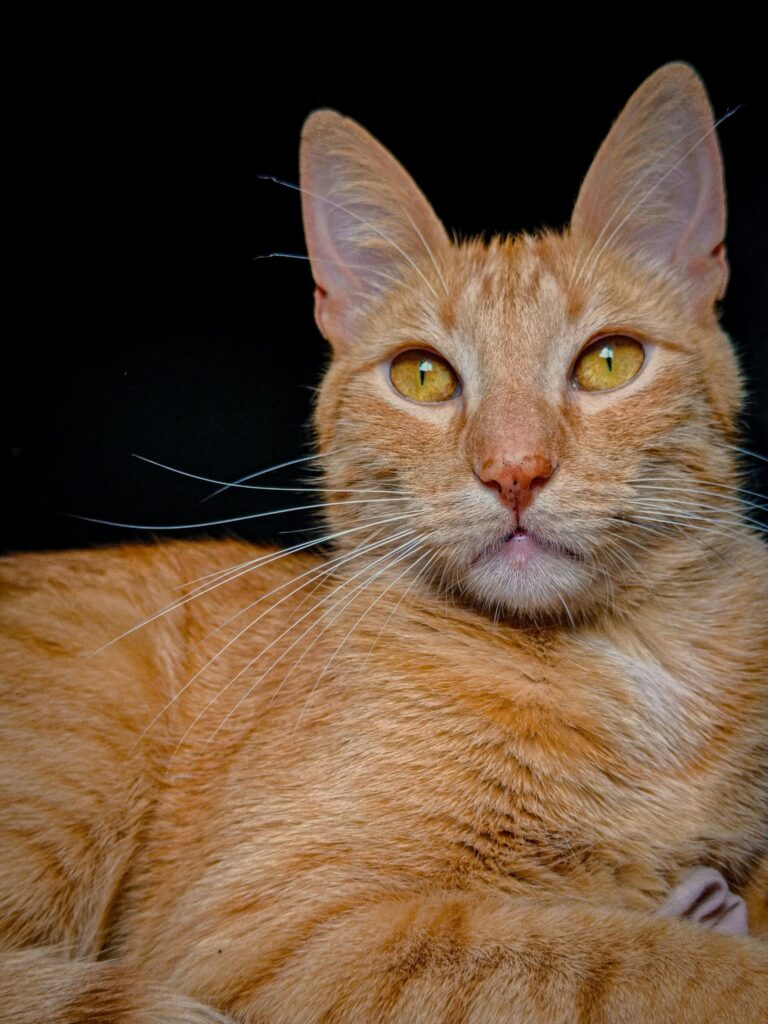
Hyperthyroidism is easily treated with medication, and cats can generally live a healthy and happy life with proper treatment and monitoring. If left untreated, it can lead to weight loss, high blood pressure and organ damage, among other things.
Many owners think it’s normal for an older cat to lose weight. However, this is often a sign of underlying illnesses, such as kidney or thyroid problems. Weighing your cat at home is an excellent way to monitor for these problems.
Joint problems
About 80-90% of senior cats suffer from joint problems and osteoarthritis. This causes pain, but cats don’t like to show it. We often recognize this through subtle signs such as sleeping more, not being able to jump as high, difficulty climbing stairs, matted hair on the lower back, and thicker or ingrown nails.
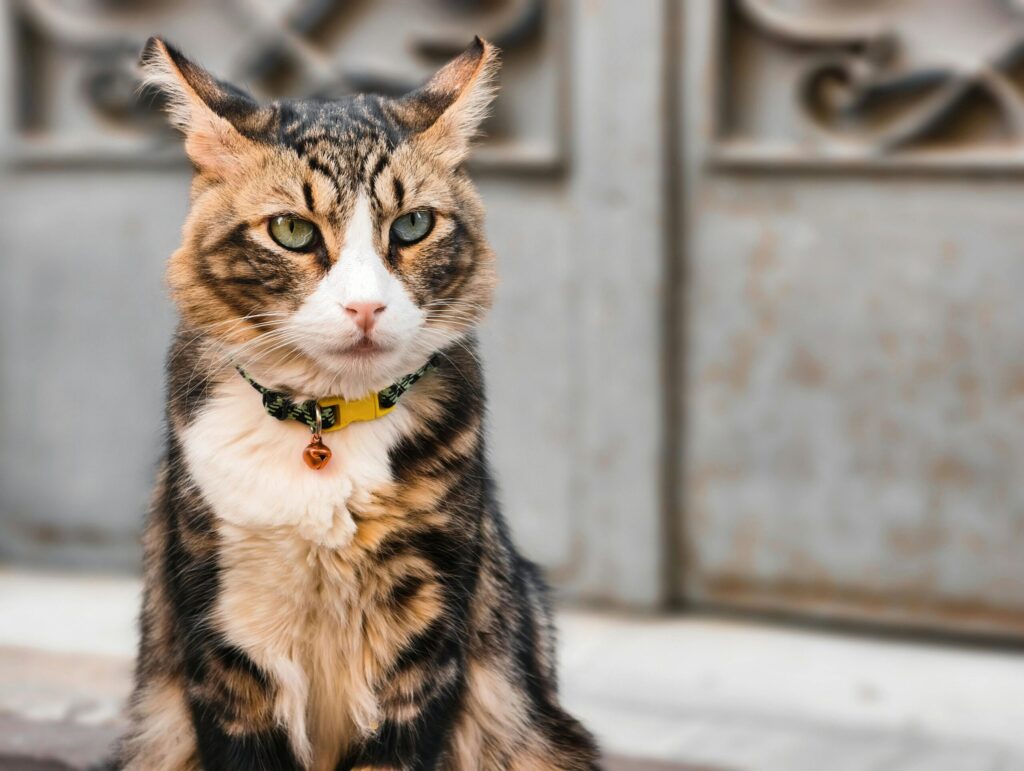
In some cases, we notice that cats generally become more grumpy due to the pain.
With a modified diet, supplements, adjustments at home, and in some cases medication, your cat can still have a good quality of life.
Dental Problems
We regularly see dental problems, such as inflamed gums and damaged teeth in cats. This can be very painful, but it rarely stops a cat from eating so it is easy to miss. Chronic inflammation in the mouth can also have adverse effects on other organs in the body, particularly the kidneys and liver.
A detailed explanation of how to recognize and prevent dental problems can be found in our Dental Care blog post.
High blood pressure
High blood pressure is common in many older cats. It’s often accompanied by other conditions, such as kidney problems or an overactive thyroid, but not always.
High blood pressure damages small blood vessels, including those in the kidneys and eyes, which can lead to organ damage and blindness.
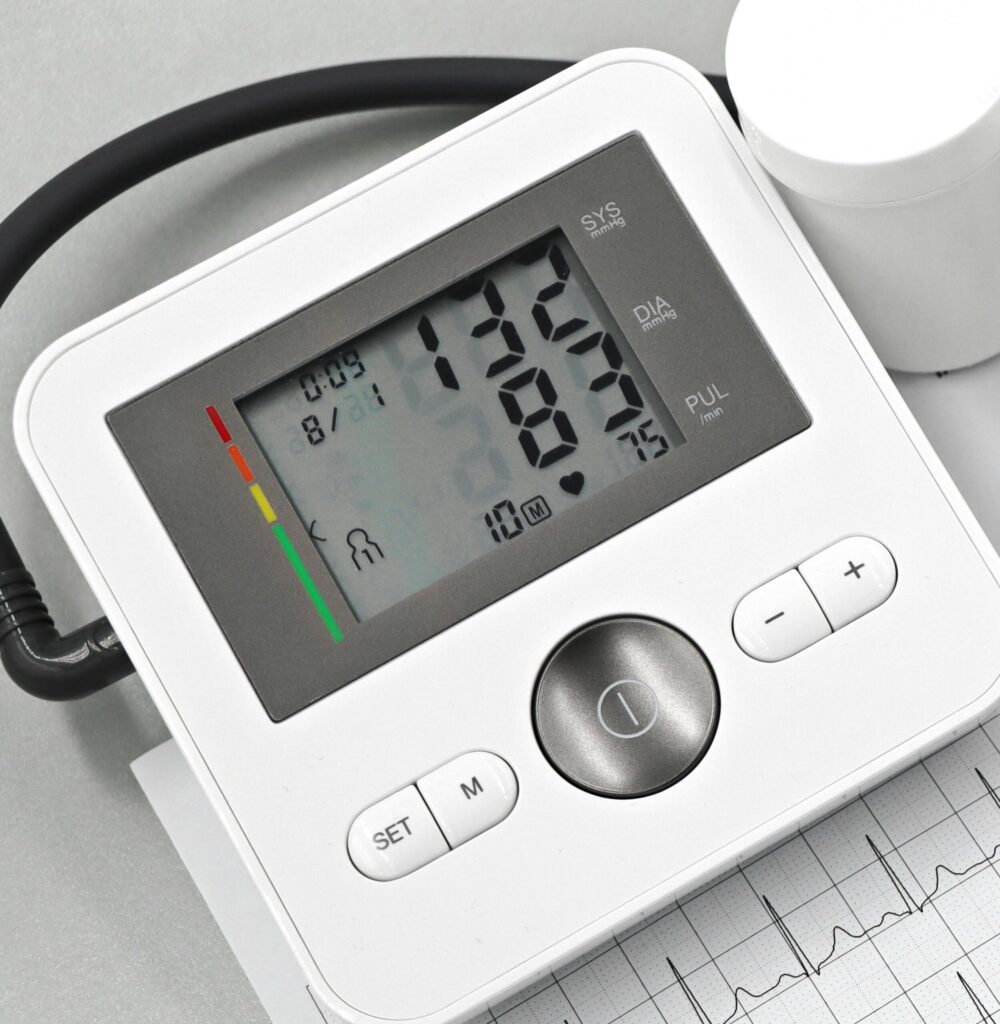
We diagnose high blood pressure by measuring it. This is done in a similar way to in humans, however we do multiple measurements and sometimes give medication to reduce stress before the visit. High blood pressure can be treated with medication and by addressing the underlying conditions.
Other conditions
Besides the health conditions described above, we also regularly see other illnesses, such as heart problems, diabetes, dementia, deafness, cysts, and tumors in older cats.
What can you do to help your older cat?
We recommend weighing your older cat regularly (every 1-3 months). This can be done at home or free of charge at our clinic. Check their nails regularly, as they can become too long and ingrown in older cats. Ensure your cat always has access to fresh water, even if they normally drink outside, and pay close attention to any changes in drinking and urination.
You can find a complete list of things to pay attention to in the CatCare questionnaire (Dutch), or on the ICatCare website (English).
From the age of 10, it’s wise to plan a health check by a veterinarian at least twice a year so we can check for physical abnormalities, such as dental problems, heart murmurs, or joint problems. If any symptoms are noted at home or during the clinical examination, we may recommend additional checks, such as blood or urine tests or blood pressure monitoring.
If you would like to book a preventative health check for your cat, you can book an appointment via the link below (choose the option ‘Consult gezondheidscontrole’) or call us on 049 947 2805 during working hours.