 NL
NL
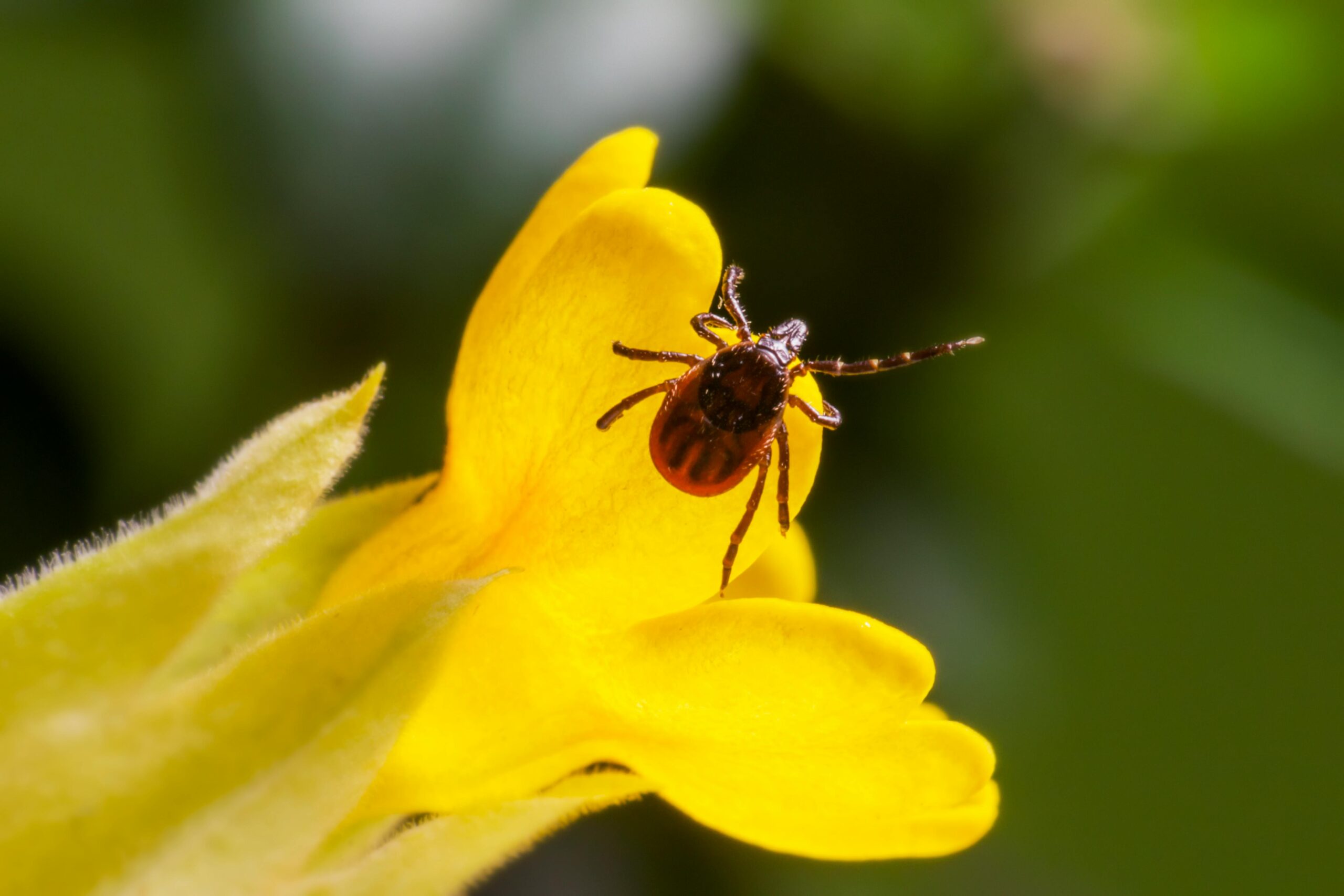
As soon as the temperatures start to rise, we see an increase in patients with fleas and ticks every spring. Fortunately, most owners already know to look out for fleas and ticks around this time of the year. Sometimes, however, it can still take us by surprise, especially if it gets warmer very quickly. But why is it so important to protect your pets from these pests?

Fleas: much more than just an itch
Fleas are perhaps the most common parasites in pets, and although they are often seen as a minor problem, they can still cause serious health issues. Fleas are not only very distracting with their constant biting, but they can also cause allergic reactions. Flea saliva contains substances that lead to itching, inflammation and even skin infections in some animals. In animals that are allergic to fleas, the saliva can cause an allergic skin reaction (dermatitis), which can lead to serious damage, hair loss and open wounds. Flea bites can also lower the itch threshold, which means that pets with other allergies are also more likely to develop symptoms even when the allergies are normally under control.
In addition to causing itching and allergic reactions, fleas can also transmit other infections, such as tapeworms. People can also become infected with these tapeworms when there are infected fleas in the house.
The above symptoms are very annoying, but rarely life-threatening. However, if fleas are left untreated for a prolonged period, this can lead to anemia and general weakness in your pet in severe cases.

Ticks: a risk to your pet and your family
Ticks often occur in smaller numbers than fleas, but they can be very dangerous. Ticks can transmit various infectious diseases. The most well-known of these is Borrelia (known in humans as the cause of Lyme disease), but there are several viruses, bacteria and parasites that can be transmitted by ticks. These diseases can cause serious health problems, ranging joint pain and fever, to brain, kidney or liver damage. In rare cases, animals can die from these diseases.
The good news is that you can protect your pet by regularly checking for ticks and taking preventive measures. Ticks are common in the forest and in long grass, but can also be find in bushes or plants in gardens. That is why it is important to protect your pet well, even if you do not go for long walks. If a tick is completely removed within 24 hours, the chance that diseases have been transmitted is small.
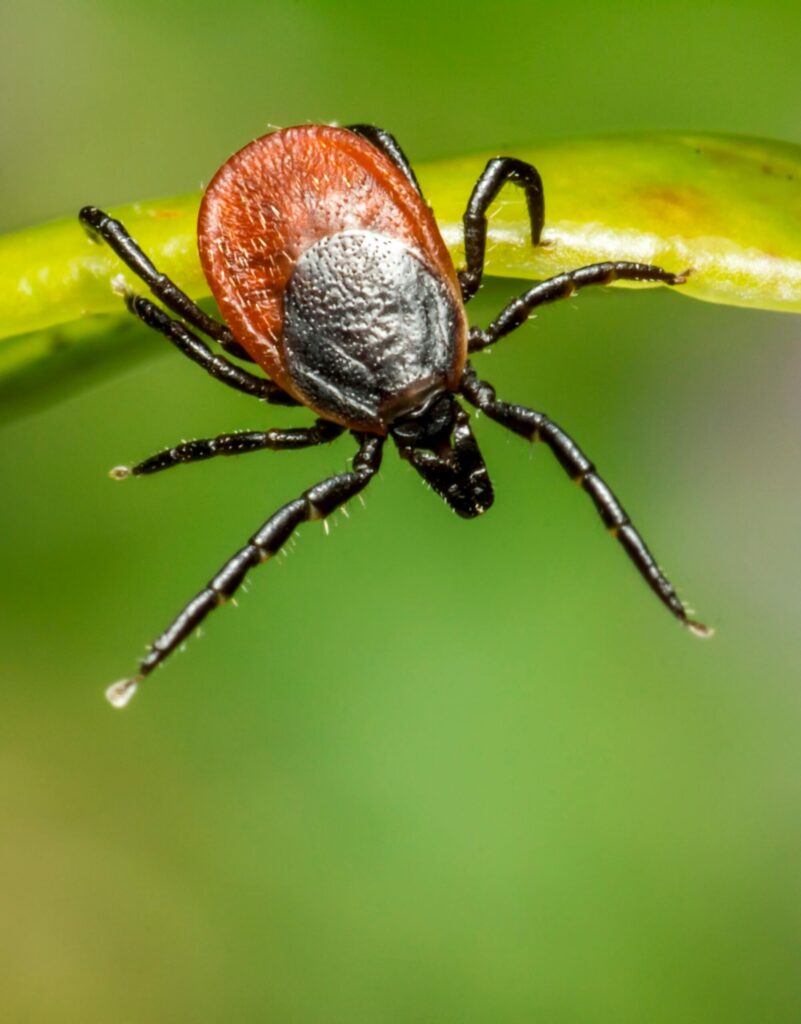
Ticks are not only dangerous to animals, but also to humans. It’s very important that if you find a tick on your dog after a walk, you also check yourself for ticks, too.
Prevention is key
Fortunately, there are many ways to prevent both fleas and ticks. There are several effective preventive treatments, such as flea drops or tablets. In some cases, regular checks with a flea comb can be sufficient. Regardless of the measures already taken, it is wise to regularly check your pet for fleas and ticks, especially after walking in the woods or in areas with long grass or bushes. Make sure you inspect your pet thoroughly and remove ticks immediately with special tick tweezers if you find them.
It is important to take preventative measures that suit your pet’s environment and lifestyle. We are happy to help you choose the right product and to advise on the frequency of treatment. We follow the guidelines of European Scientific Counsel for Companion Animal Parasites (ESCCAP). This means our advice up to date and allows us to make the best choice for the owner, the pet and the environment.

Do you have questions about flea or tick prevention for your pet? Feel free to contact us so that we can provide you with a suitable prevention plan.
Did you know?
We offer a preventative plan called VetPlan which includes preventatives for fleas, ticks and worms?