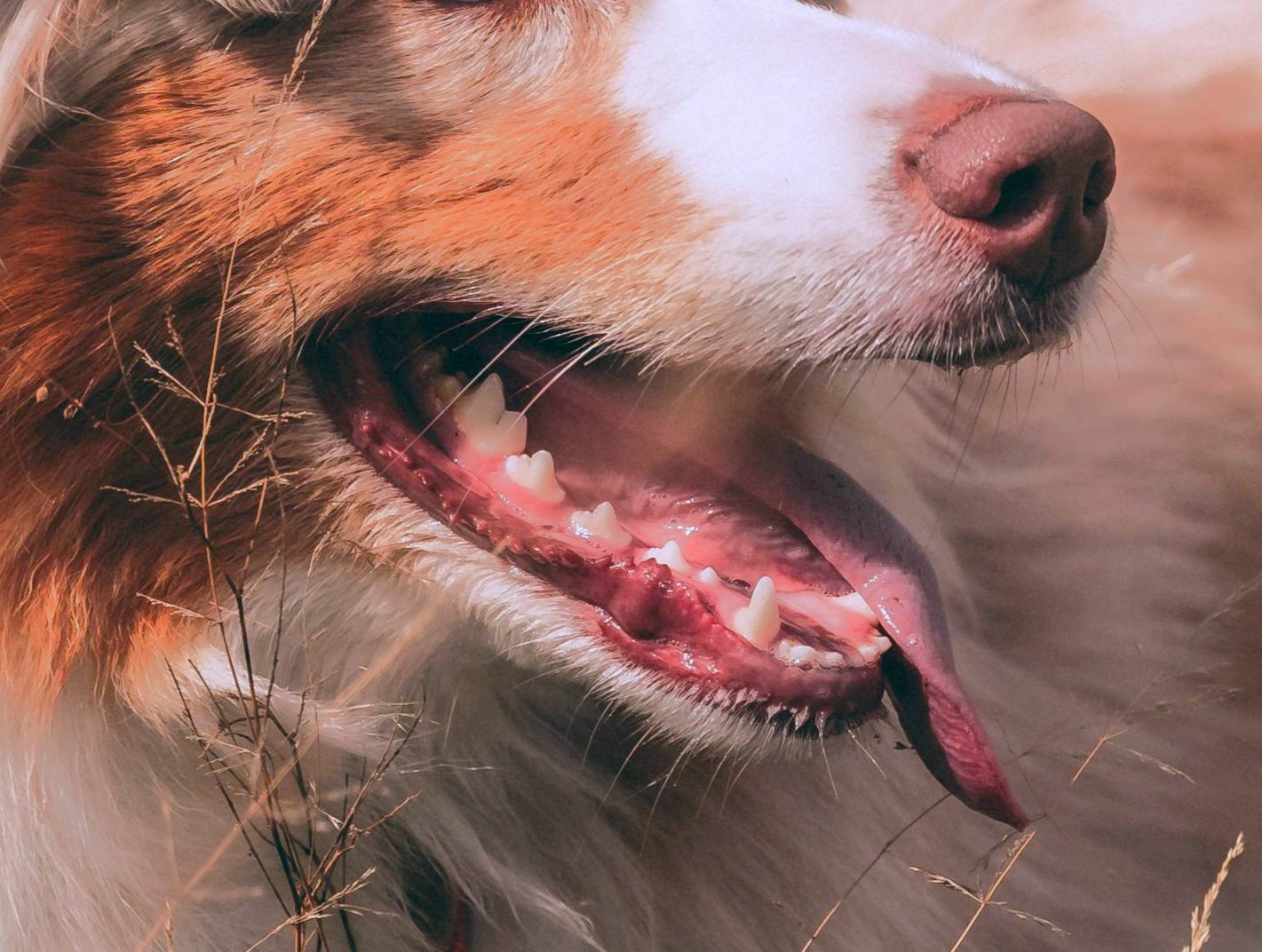
As a veterinarian, dental health is one of the most common problems I run into during consultations. On a daily basis I see dogs, cats, and even rabbits and rodents who have dental issues that impact their overall health and well-being. Many owners struggle with properly examining their pet’s teeth and recognizing problems. We would like to explain why healthy teeth are so important for pets, and how you as an owner can contribute to the oral health of your pet.
The consequences of poor oral health
Just like humans, dogs and cats can suffer from plaque, tartar, gingivitis and wobbly teeth. What many owners do not realise is that dental problems can also affect other organs and the overall well-being of the animal.
Pain and discomfort: Dental problems can cause a lot of pain in dogs and cats, but they often do not show this directly. Many animals hide their pain or express it in subtle ways. Problems such as inflamed gums (gingivitis), loose teeth or infections often do not cause any obvious symptoms on the outside, but after treatment we regularly note that animals are clearly happier and eating better.
Systemic disease: Bacteria that accumulate in the gums and teeth can travel via the bloodstream to other parts of the body, such as the heart, kidneys and liver, and cause damage there. Chronic infections also affect the immune system and various organs, meaning they have to work much harder for a long period of time.
Loss of teeth: If dental problems are not addressed in time, teeth can fall out or have to be surgically removed. By taking preventive action, for example by brushing regularly and scheduling a cleaning when necessary, this can often be prevented or postponed.
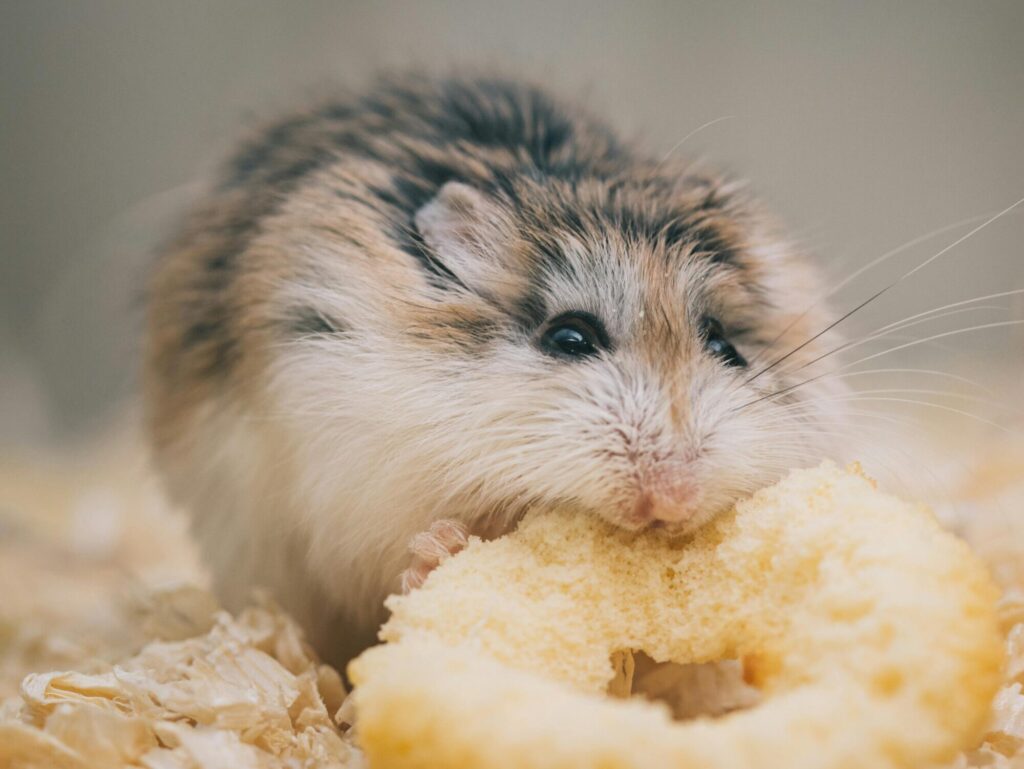
Rabbits and rodents can also experience problems with their teeth. These are generally different problems than we see in dogs and cats, because the teeth of rabbits and rodents continue to grow throughout their lives. When the teeth don’t wear down sufficiently or correctly, they become too long or too sharp and can cause wounds and abscesses in the mouth or they can snap or splinter.
Risk Factors
Small breeds or flat-faced breeds have too little space in the jaw and the teeth are overcrowded.
Due to build up of dental plaque and general wear and tear, the chances of dental problems increase with age.
Underlying infections, such as FIV, FeLV or Calicivirus in cats, can cause inflammation in the mouth.
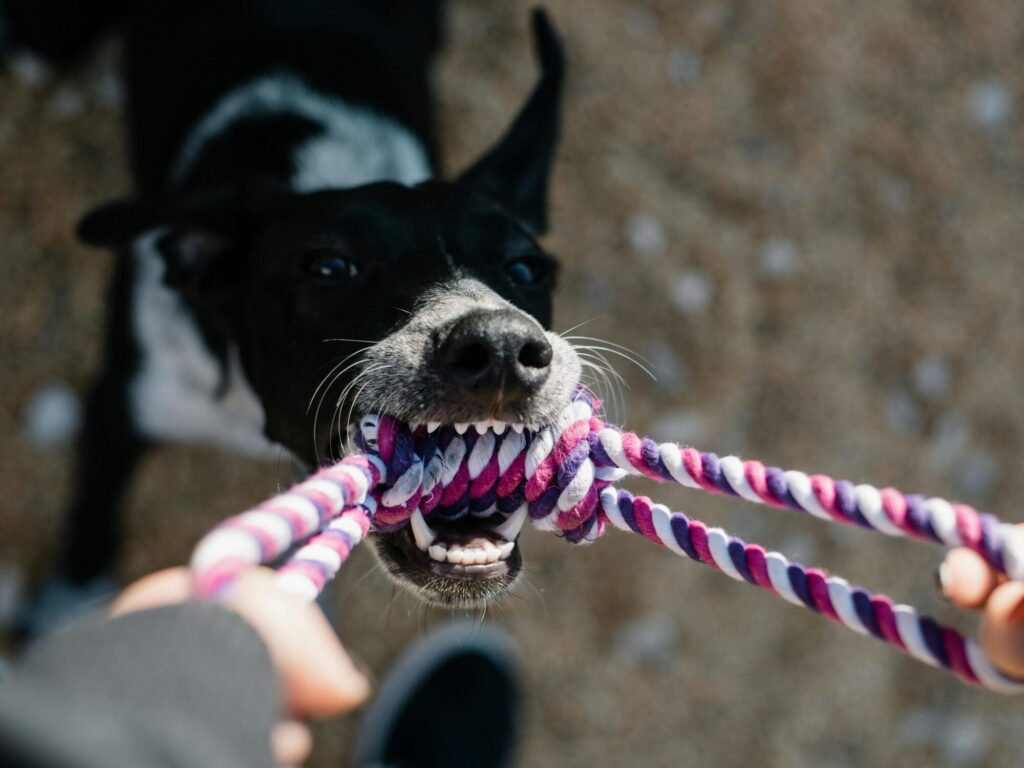
Inappropriate toys such as ropes for puppies or bones or antlers that are too hard can lead to broken teeth.
Some animals have a greater genetic predisposition to dental problems.
If rabbits and rodents do not have enough to chew on, their teeth will not wear down properly.
What can you do at home?
Checking the teeth and gums
It is important to regularly check your pet for signs of dental problems. In any case, look for the following:
Bad breath
Changed chewing behavior, such as dropping food from the mouth or making exaggerated movements with the tongue
Blood from the mouth
Swelling or redness around the teeth or gums
Discoloration of the teeth or tartar (often yellow, brown or black)
Loose teeth
Prevention
There are several ways to reduce the risk of dental problems. There are several options for dogs and cats:
Brushing teeth: Regularly brushing your dog or cat’s teeth is the best way to prevent plaque and tartar. We advise to start brushing at a young age, but it is never too late to start. Use special toothbrushes and toothpaste for pets (never use human toothpaste!). Introduce brushing slowly so that your pet can get used to it.
Food: There are several types of dry food on the market that have been proven to work to prevent tartar. For animals that do not accept brushing well, this is often a good alternative. This can often be given in addition to their own food.
Supplements and dental chews: There are many products on the market, including powders, water additives and chews, that can help reduce plaque. Unfortunately, not all of these are equally effective. Some chews also contain a lot of calories, making them unsuitable for overweight animals. We are happy to advise you on whether your regular chews are suitable and effective.
For rabbits and rodents it is important to provide enough to chew on (e.g. hay for rabbits and guinea pigs) so that they can wear down their teeth properly. It is also important not to give too many treats, because they will then also eat less hay. It is also very important to provide suitable food for your pet, as deficiencies (e.g. vitamines C and D and calcium) can also be a risk factor for dental problems.
What can we do for you?
Regular dental checks
When your pet comes for a check-up, we always check their teeth. Regular dental check-ups by a vet are essential to detect early signs of dental problems. We check for plaque and tartar, check the teeth and molars for damage and assess the gums for signs of inflammation or infection.
Dental treatment
In some cases, a professional dental cleaning may be necessary to remove tartar. In the case of loose or damaged teeth or affected roots, it may be necessary to extract teeth. If we expect this based on the check-up, we will discuss this with you before the dental treatment. Sometimes however, we only discover this during the dental treatment, in which case we will contact you.
For dogs and cats, dental treatment always takes place under general anaesthetic. This is the only way to perform this safely and accurately.
In rabbits and rodents, it is sometimes possible to treat dental problems without anaesthesia. This depends on the temperament of the animal and on which teeth are causing problems.
Any questions?
The importance of healthy teeth for dogs and cats cannot be overstated. Not only does it prevent pain and discomfort, but it also helps prevent more serious health problems such as heart and kidney disease. By taking good care of your pet’s teeth and checking them regularly, you can help ensure a longer, healthier life for your pet.
If you have any questions or concerns about your pet’s oral health, please do not hesitate to contact us. Together, we can work to maintain healthy teeth for your pet.

 NL
NL


 By
/ 12 January 2025
By
/ 12 January 2025